If you’ve never taken a CPR class before, the idea of signing up for a BLS CPR certification course can feel more complicated than it needs to be. Nurses, nursing students, EMTs, and other healthcare workers in Brentwood, CA are often required to hold current BLS certification before starting a job, a clinical rotation, or a hospital shift. The short answer: a BLS course typically takes a few hours, combines hands-on skills practice with instruction, and results in a certification card you can show your employer or school. The rest of this guide walks through what that actually looks like, so you know what to expect before you walk in the door.
Key takeaway: BLS (Basic Life Support) certification teaches healthcare providers how to recognize cardiac and respiratory emergencies and respond with CPR, rescue breathing, and AED use in a clinical or workplace setting. Most first-time students complete the course in a single session that includes instructor-led skills practice, not just video watching. Confirm with your employer or school exactly which certification level they require before you enroll, since BLS, CPR, and First Aid serve different purposes.
What Is BLS Certification, and Who Actually Needs It?
BLS stands for Basic Life Support. It’s the certification most commonly required for nurses, nursing students, medical assistants, EMTs, respiratory therapists, and other healthcare providers who may need to respond to a cardiac or respiratory emergency as part of their job.
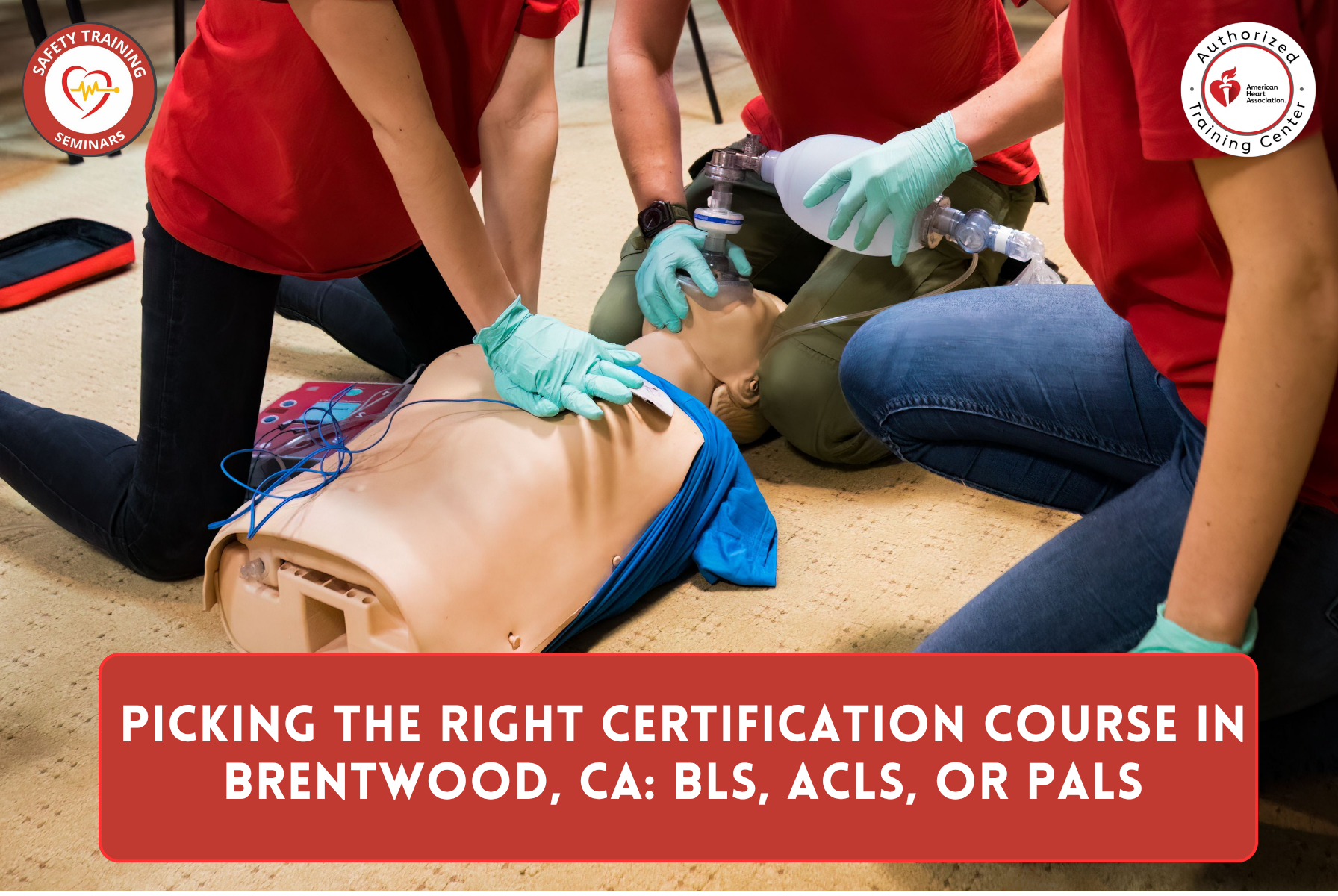
This is different from a general “Heartsaver” or lay-rescuer CPR course, which is designed for the general public, teachers, childcare providers, and workplace teams who aren’t expected to lead a resuscitation team. BLS goes further, covering two-rescuer CPR, team dynamics, and use of a bag-valve mask, which is why hospitals and clinical programs specifically ask for it.
If you’re a nursing student in Brentwood preparing for clinical rotations, or a healthcare worker starting a new position, it’s worth checking your program handbook or HR onboarding paperwork for the exact wording. Some employers accept any current CPR card; others specifically require BLS for Healthcare Providers.
What Actually Happens During a BLS Class
For someone who has never taken a certification course, not knowing the format can be the most stressful part. Here’s the general structure most first-timers can expect:
- A review of the chain of survival and when to activate emergency response
- Adult, child, and infant CPR technique, including compression depth and rate
- Rescue breathing and use of barrier devices
- AED (automated external defibrillator) operation and practice
- Choking response for adults, children, and infants
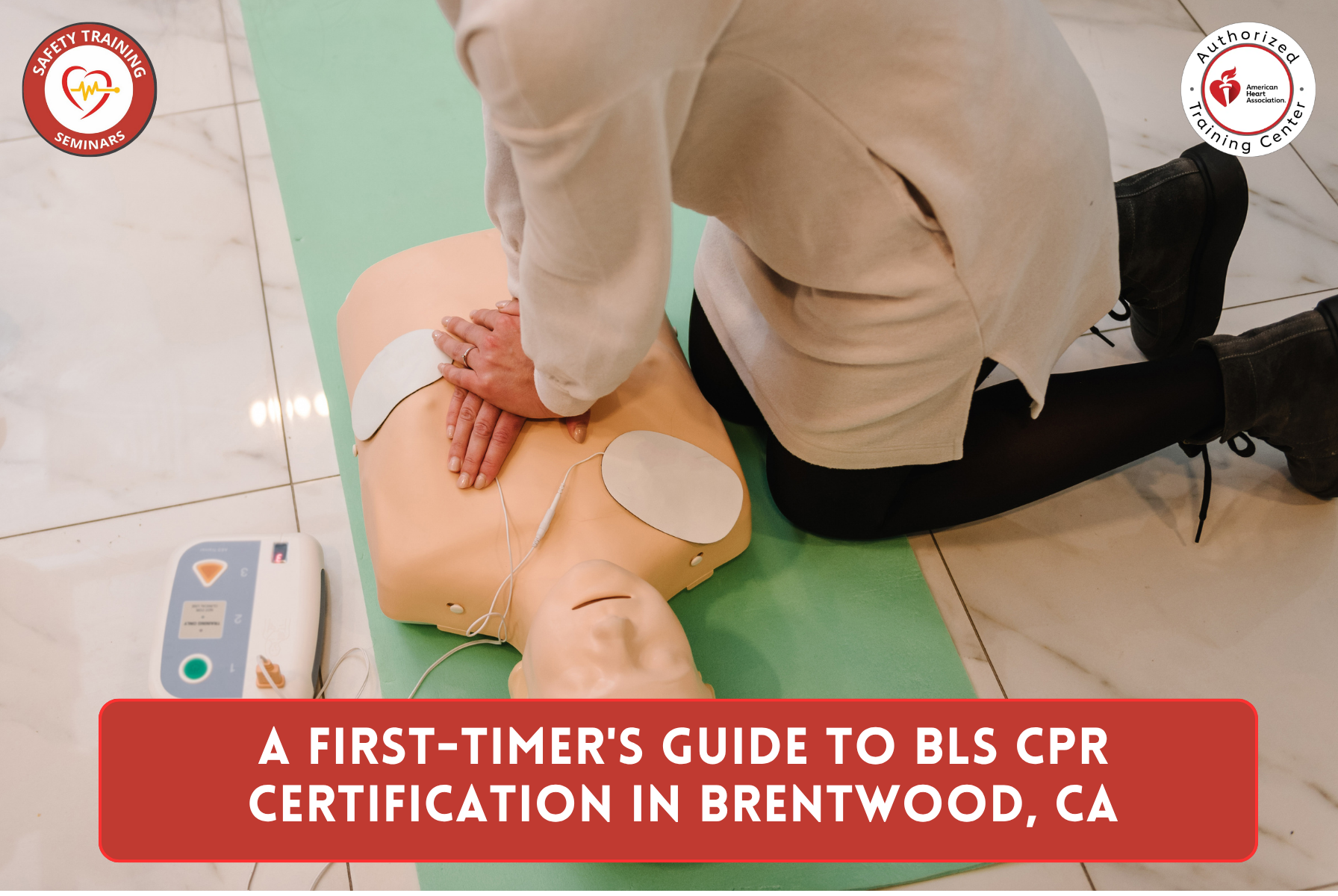
- Hands-on skills testing, usually performed on a manikin with an instructor observing
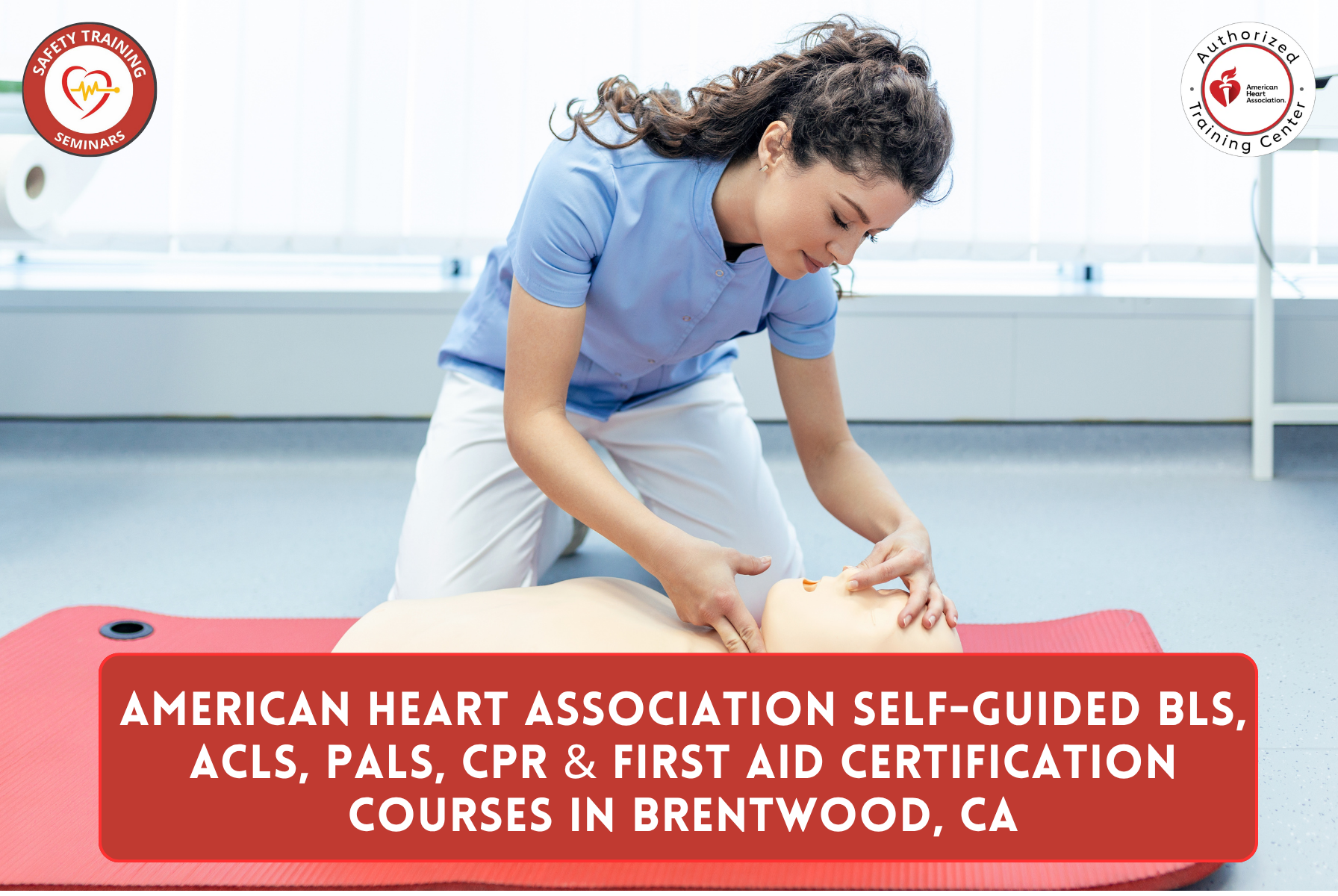
Most BLS courses combine an online or in-class knowledge portion with a required in-person skills session. The hands-on component matters because BLS is a psychomotor skill — reading about chest compressions and performing them correctly under time pressure are two different things. If a provider is offering a course that skips hands-on skills testing entirely, that’s worth a second look before you enroll.
How Long Does BLS Certification Last, and What About Renewal?
Certification periods are set by the training provider and organization you’re certified through, and they can vary. Most healthcare employers expect BLS to be renewed on a recurring basis, so it’s common for providers to schedule refresher training before a card expires rather than waiting until the last minute.
If your card is close to expiring, ask whether you qualify for a renewal-specific class, which is often shorter than an initial certification course since it focuses on skills review rather than teaching concepts from scratch. Your employer, licensing board, or school is the best source for confirming exactly how often renewal is required in your specific role.
Is an Online-Only Certificate Accepted for Healthcare Jobs?
This is one of the most common questions from first-time students, and the answer depends entirely on who’s asking for the certification. Many hospitals, clinical programs, and healthcare employers specifically require an in-person skills evaluation as part of BLS certification — not because online learning is inadequate, but because hands-on CPR performance can’t be accurately assessed through a webcam or a multiple-choice quiz.
Before enrolling in any course, confirm with your employer, school, or licensing board whether they require a blended format (online knowledge portion plus in-person skills check) or accept a fully online card. Don’t assume; ask directly and get it in writing if possible.
Choosing a Legitimate Local Training Provider
With so many CPR training options advertised online, it helps to know what to look for before you commit your time and money:
- Does the course include a genuine hands-on skills session, not just a video and quiz?
- Is the certification card format one your employer or school has confirmed they accept?
- Does the provider have a physical training location, or is it exclusively a mail-order card?
- Can you ask questions about class format, group size, or what to bring before you register?
A provider willing to answer these questions directly, rather than deflecting to marketing language, is usually a good sign.
BLS Training for the Brentwood Area
Safety Training Seminars operates a training center at 380 Carrol Court, Suite G, Brentwood, CA 94513, offering BLS certification courses along with CPR, First Aid, ACLS, and PALS training for healthcare professionals, students, and community members throughout East Contra Costa County. For students who live or work near Antioch or Clayton, a nearby class location can simplify scheduling around clinical rotations, shift work, or school commitments.
Healthcare workers preparing for hospital onboarding, nursing students starting clinical placements, and workplace teams who need documented, in-person BLS training in the area can review the BLS and CPR certification course details for Brentwood, CA to see current course information before enrolling. If you’re commuting from a neighboring community, Safety Training Seminars also maintains information for students exploring CPR and BLS class options in Antioch or BLS, ACLS, and PALS training pages for the Concord area, depending on which location fits your schedule best.
What to Bring to Your First BLS Class
Once you’ve registered, a little preparation goes a long way:
- Comfortable clothing you can kneel and move in during skills practice
- A photo ID for check-in
- Any pre-course online modules completed in advance, if your course format requires them
- A copy of your current card, if you’re renewing rather than certifying for the first time
Arriving a few minutes early to complete paperwork also helps the class start on time for everyone.
Frequently Asked Questions
Do I need BLS or just a regular CPR card for my healthcare job in Brentwood, CA? It depends on your employer or program. BLS is generally required for hospital-based roles, nursing programs, and clinical placements, while a general CPR/First Aid course is often sufficient for non-clinical workplace requirements. Check your offer letter or program handbook, or ask HR directly, since the terminology varies between organizations.
Can I complete BLS certification in one day near Brentwood? Most first-time BLS courses are designed to be completed in a single session, combining instruction with hands-on skills testing. Exact scheduling and course length vary by provider and class format, so confirm the specific session length when you register.
What happens if I fail the skills test during my BLS class? Instructors typically work with students during the session to correct technique, since the goal is accurate skill performance, not simply passing a test. If you’re concerned about a specific skill, like compression depth or AED steps, it’s reasonable to ask your instructor for extra practice time before the class begins.
Is there a difference between BLS for nursing students versus working nurses in Brentwood? The core skills taught are the same, but nursing students should confirm with their clinical coordinator whether their school requires a specific certifying organization’s card, since some clinical sites are particular about this detail.
Are BLS classes available near Danville or Lafayette if Brentwood doesn’t fit my schedule? Course availability and scheduling vary by location and time of year. It’s worth checking current class listings for the specific city closest to your commute or workplace before assuming a particular schedule will be open.
Making Your Next Step
If you’re new to BLS certification, the most useful thing you can do before enrolling is confirm exactly what your employer, school, or licensing board requires, since not every “CPR card” satisfies a BLS requirement. Once you know which certification applies to your role, choosing a course with genuine hands-on skills practice will serve you better than an online-only shortcut.
Safety Training Seminars offers BLS, CPR, First Aid, ACLS, and PALS courses at its Brentwood training center, and reviewing the current course page for your city is a straightforward way to compare class formats and confirm details before you register.